When I was younger, around 10 years old, I remember visiting an auntie in northern England, where the neighbour kept a pet monkey. I believe it was tied to a post in the front garden. I was fascinated by it, and my 10-year-old self thought nothing of it except how adorable it was. If I saw that animal now, I would either contact someone to remove it or make a citizen’s arrest.
My point is this. In the (many) interim years, I have been educated to think differently. Initially, that monkeys do not belong in a wet cold northern climate, but more recently that if this planet is to remain healthy for my nieces and nephews to live on, that monkey needs to be swinging in the trees in its native country.
If I can be re-educated, everyone can.
The illegal wildlife trade is a complex issue, as is the impact of losing all wildlife on the planet. These two topics alone could each inspire a 20,000-word essay. I want to share just one example from my Laos trip—a story that is quite intricate, but can be made quite straightforward.
In Laos, there are reported to be at least five Tiger farms holding 450 Tigers. Tiger farms! Am I the only person on the planet who didn’t know about these? In many cases, these operate legally under the guise of ‘conservation’ because trading in tigers or tiger parts is internationally illegal. The truth is, in most cases, the tigers are being ‘farmed’ for their bones (for medicine) and skins. The LCTW team visited one of the farms last year, 15km north of where they are situated, in a sting operation. Confirming that the farm was trading their tigers, they contacted the Lao Government, who did in fact visit, but found no evidence of trading and dropped the case. Ummm? The Director of LCTW also told me, during our discussion, that Luang Prabang, where I am now, has at least 15 identified shops selling tiger parts under the counter to ‘visitors’.
The WWF have no doubts that the Tiger farms need to be closed completely, and that they are a cover for trading wild tigers. They know this because tiger numbers have exponentially declined in areas where farms exist. In Laos tigers have been extinct since 2013.
In 2016 the Laos Government passed general legislation about trafficking wildlife and committed to closing the Tiger farms. LCTW believe that if the Government would only follow the rules they have put in place, everything would be infinitely better.
There is a glimmer of hope here. Thailand has seen a small increase in their number of wild tigers. Laos, maybe sparring for attention, say that they will reintroduce tigers in to the Nam Poui National Protected Area bordering Thailand’s breeding tigers, and where I am going tomorrow to see Elephants. In 2024 the Laos Government also said that it would sterilise, DNA test and chip all farmed tigers. Let’s see on both counts.
LCTW and other NGO’s in Laos meet quarterly with the Lao Government and slowly, slowly crank up the pressure on them. I suppose like teachers, David Attenborough, friends and now lecturers have cranked up the pressure on me to change my thinking.
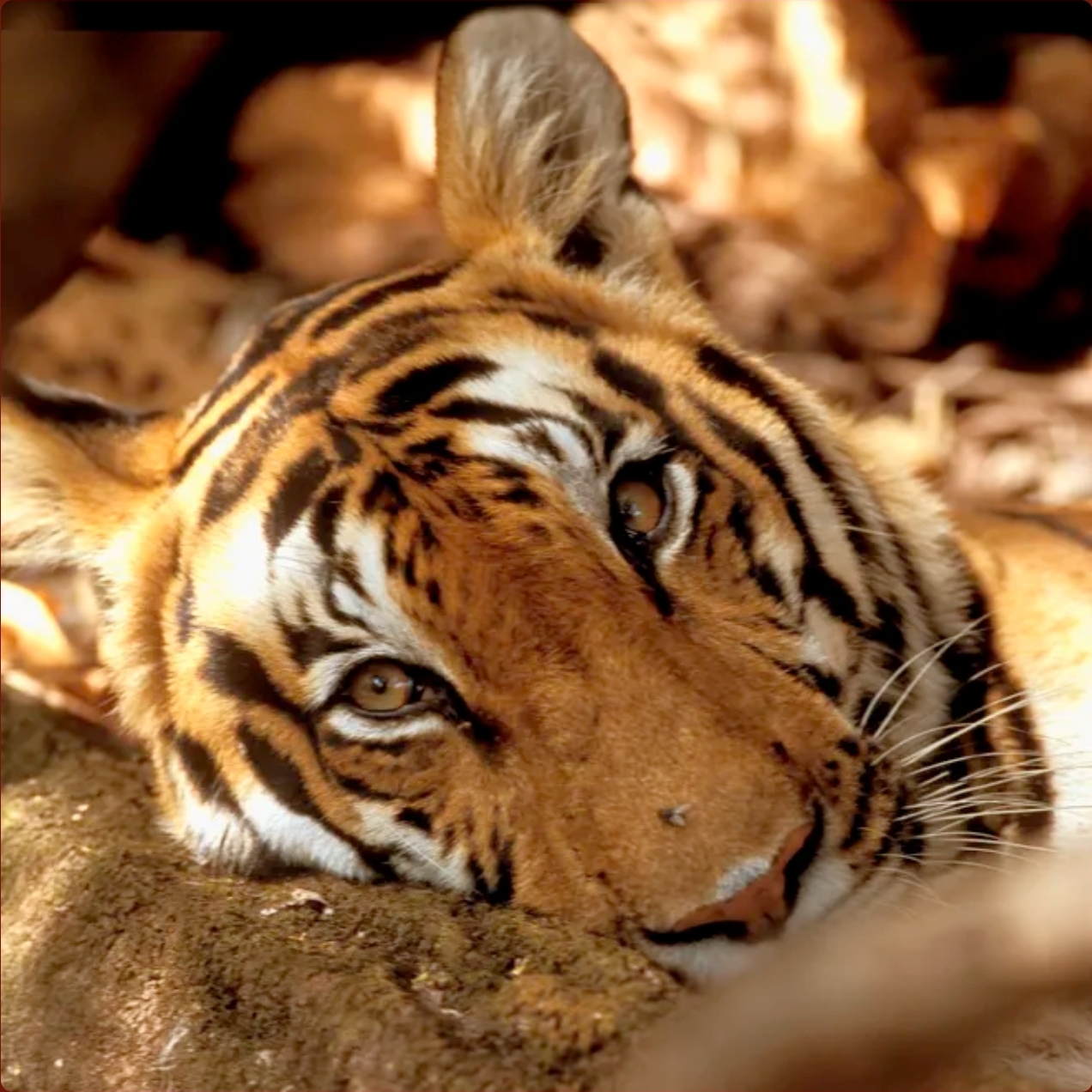
Can we all just take a minute to remind ourselves how stunning Tigers are. Main picture courtesy of the WWF.


Leave a Reply to Robert Bell Cancel reply